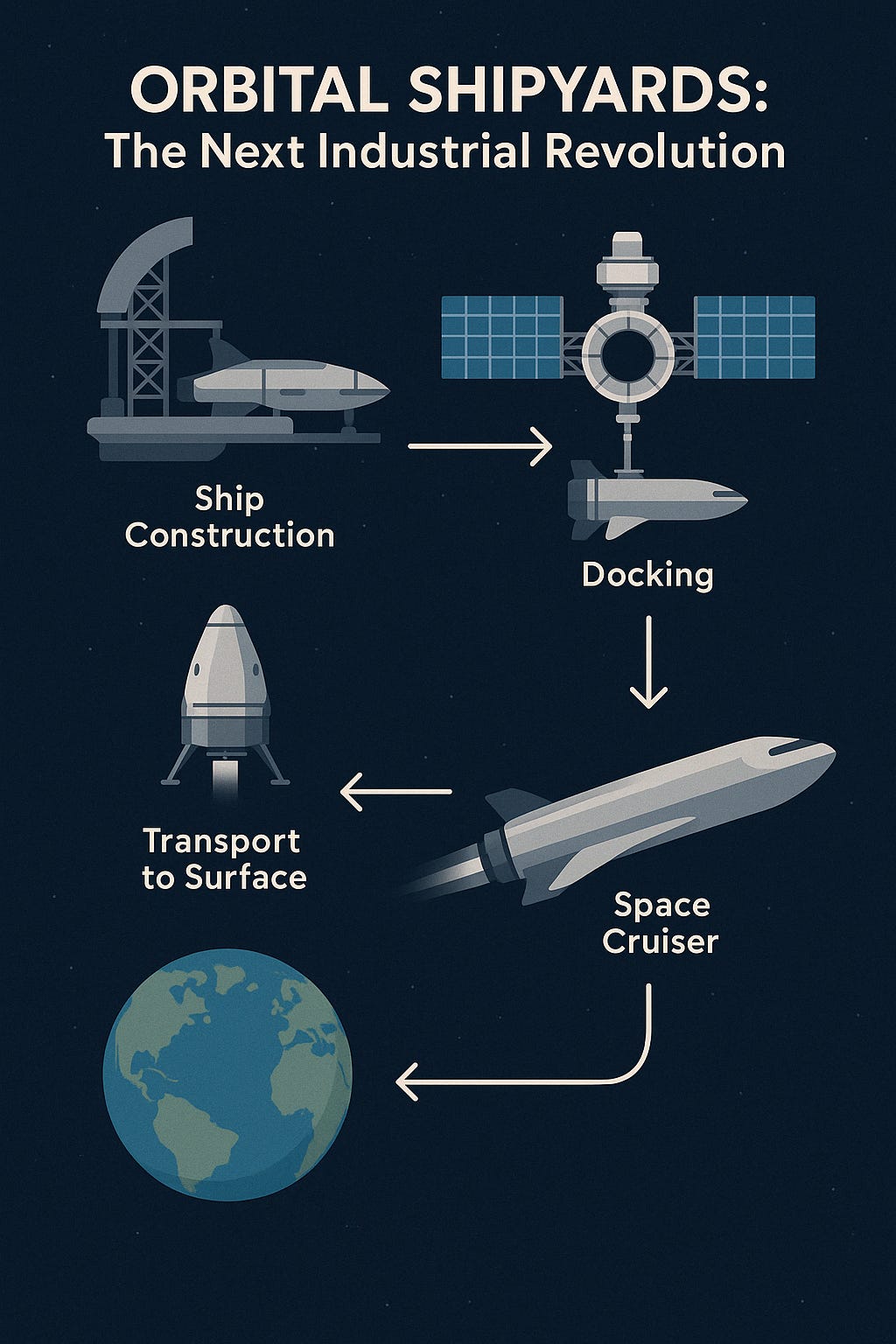
It’s been exciting—and honestly, a bit surreal—to watch the modern space race unfold (not you, Katy Perry). The technological leaps we’re witnessing are nothing short of revolutionary. But one question keeps nagging at me: is it really the smartest move to have long-haul spacecraft launch from Earth?
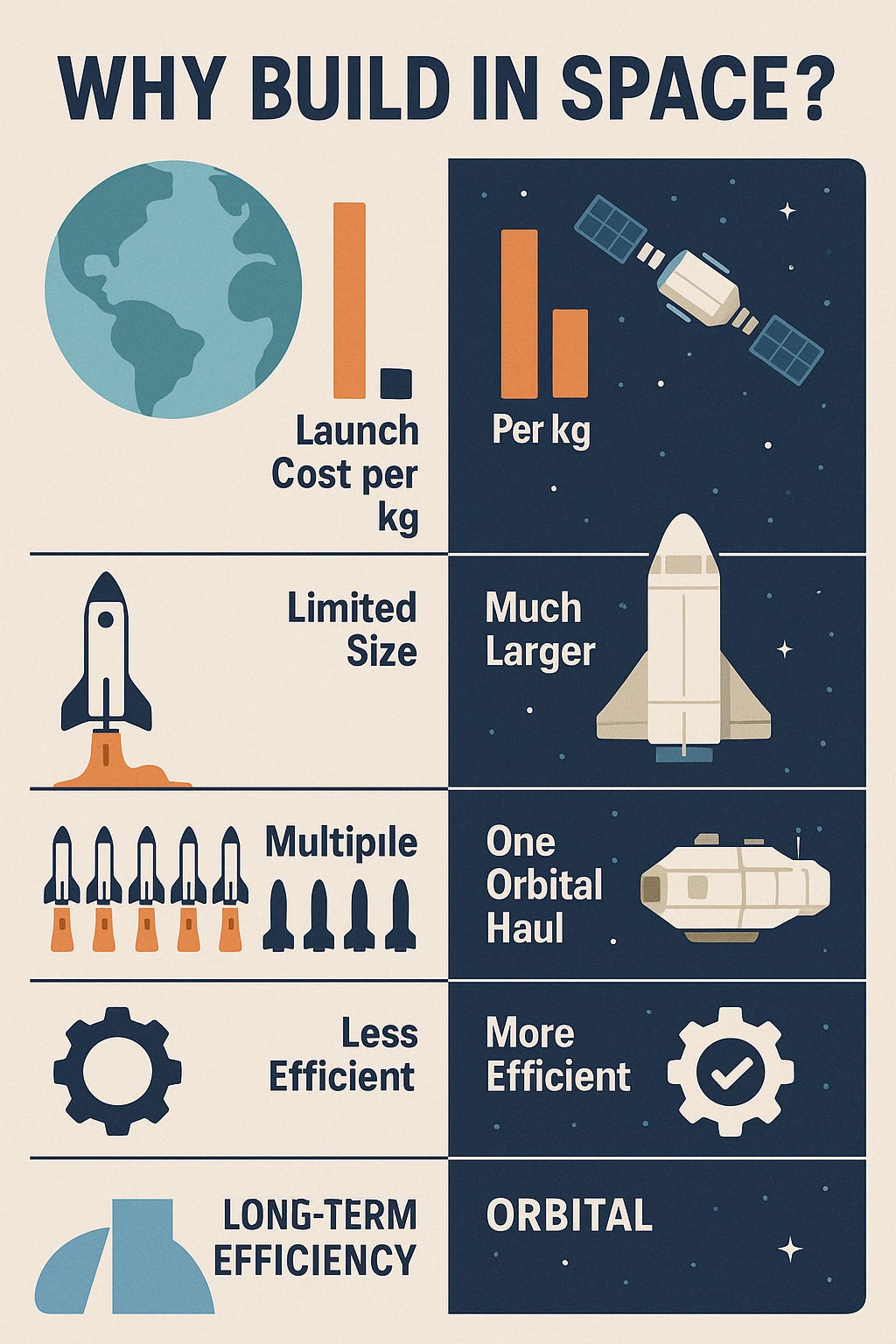
The cost of escaping gravity alone is staggering. Resources are limited—as I mentioned in my last post—and yet we’re talking about sending multiple rockets just to restock a single Mars colony. That seems less like progress and more like a logistical nightmare.
Consider this: you have to launch at just the right moment, from one of the few places on Earth where it’s viable (hello, Kennedy Space Center), and align the trajectory perfectly to even reach Mars. That’s a lot of work for something that could be simplified. Why not just wait a few hours for the next flyby of a space cruiser already in orbit—one that can haul what ten rockets would, and then some?
🛠️ Orbital Space Yards and Docks
Remember those sci-fi space shows where a new captain arrives at the shipyard just as their ship is getting the final touches? That’s the vision I have in mind. Think Starfield on Xbox. I know resources are limited—but still, how cool would that be?
And it’s not just cool—it’s cost-effective. We’re very limited on how large ships can be when building them on Earth. They have to be just the right size to haul cargo and sustain a crew, while still light enough to escape Earth’s gravity without burning excessive fuel. But if you build them in space, those limitations disappear.

🚀 Sci-Fi Meets Functionality
Science fiction has shown us what it could look like—but in the real world, functionality and cost will be the deciding factors. Politics, economics, and competition will determine who builds the first orbital shipyard. It’s not just about being first—it’s about who builds it well.
And of course, I can’t help but wonder: what happens when we encounter alien species or a unified galactic government? That’s a post for another time... but you see where I’m going.
🧪 Real-World Progress
NASA and SpaceX are already working on early steps to make this vision a reality.
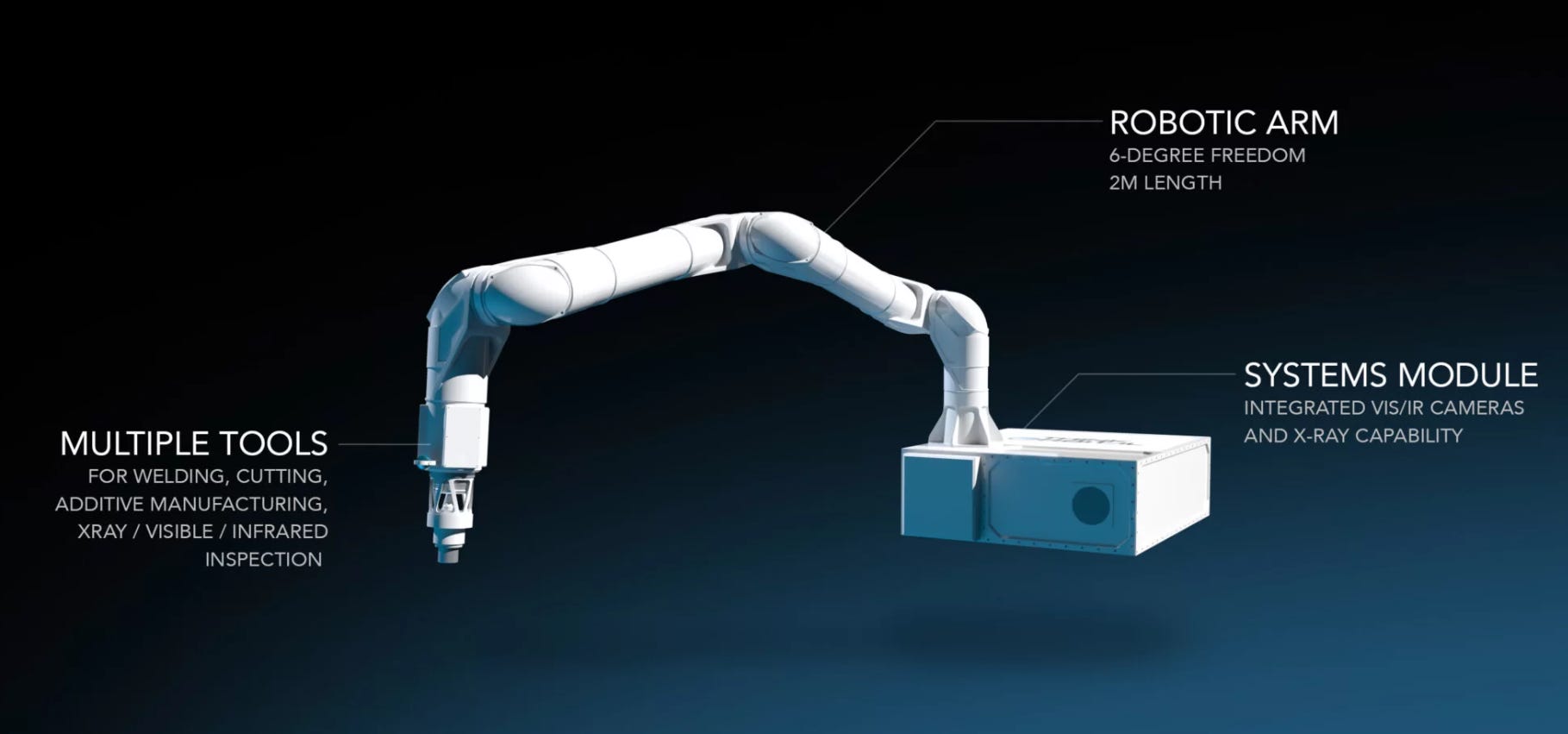
NASA has awarded grants to companies like ThinkOrbital, a U.S.-based space infrastructure startup. With backing from the NASA Institute for Advanced Concepts (NIAC), ThinkOrbital launched the world’s first autonomous weld in space in May 2024. Their mission aboard a Falcon 9 successfully spot-welded aluminum pieces in orbit, which were returned to Earth and analyzed.
This kind of tech is crucial. Autonomous welding, modular platforms, and AI-guided robotics will be the building blocks of orbital shipyards.
🚌 SpaceX: Building the Bus System
While SpaceX hasn’t publicly announced plans for a shipyard, they are laying the groundwork in other ways.
At Starbase, Texas, SpaceX is building the Starfactory—a manufacturing plant aiming to produce one Starship per day. This factory will streamline production for missions to Earth orbit, the Moon, and Mars.
SpaceX is also developing in-orbit refueling, a game-changing step toward deep space logistics. Tanker versions of Starship are being designed to transfer fuel between ships in orbit—crucial for extended missions and possibly even on-orbit construction support.
🌙 NASA’s Gateway: The Next Staging Ground
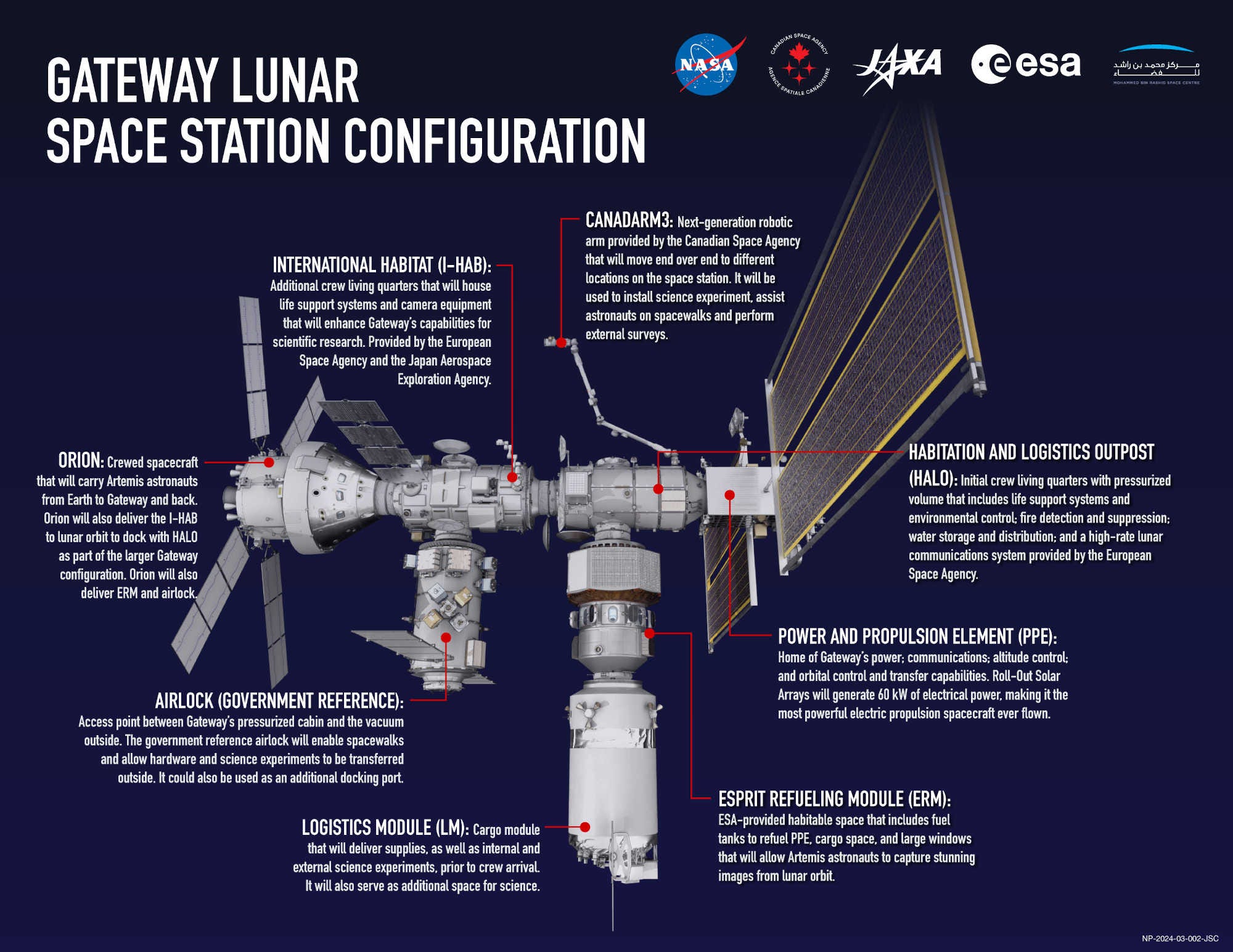
Another major step forward is NASA’s Gateway, a lunar space station that will orbit the Moon as part of the Artemis program. It’s scheduled to launch no earlier than 2027 and will serve as a staging ground for crewed lunar missions—and eventually, Mars.
(Stay tuned for a deep dive in my upcoming blog post, Cosmos Library: NASA’s Lunar Base.)
In short, Gateway will provide the logistics, autonomy, and long-term infrastructure to support deep space operations, paving the way for full-scale orbital construction.
🏗️ The Final Phase: A Shipyard in Space
I bring up Gateway because of the technology being developed around it. This station will need to remain stable in lunar orbit—and that demands robust robotics, AI systems, and advanced autonomy. Those same systems could also be used to build the cruisers that will carry out long-haul missions.
3D printing will play a key role, allowing spacecraft parts to be printed and assembled in orbit—faster, safer, and cheaper than launching them from Earth.
The goal? To move the concept of dry docks from Earth into space—creating a platform where we can:
Build scalable ships tailored for deep-space missions
Improve cost-efficiency over time
Simplify our logistics network for interplanetary travel
The next industrial revolution might not happen on Earth. It may happen just outside it.
ISS Will crash in the Pecific