

A return to form, if you will. Wink wink.
If you're curious about the Artemis mission, check out their official mission plan here.
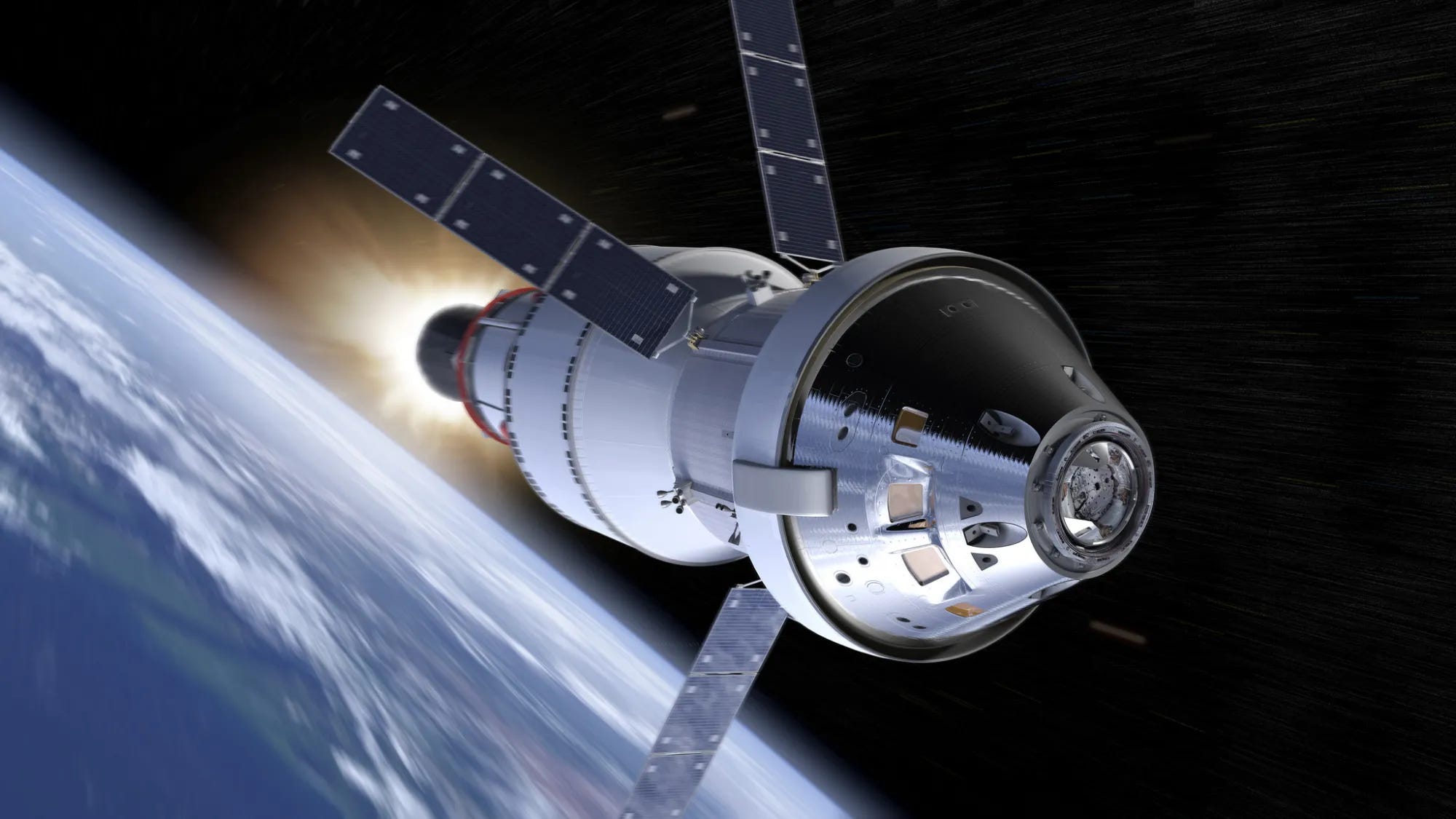
🌕 Orion Spacecraft: Built for the Stars
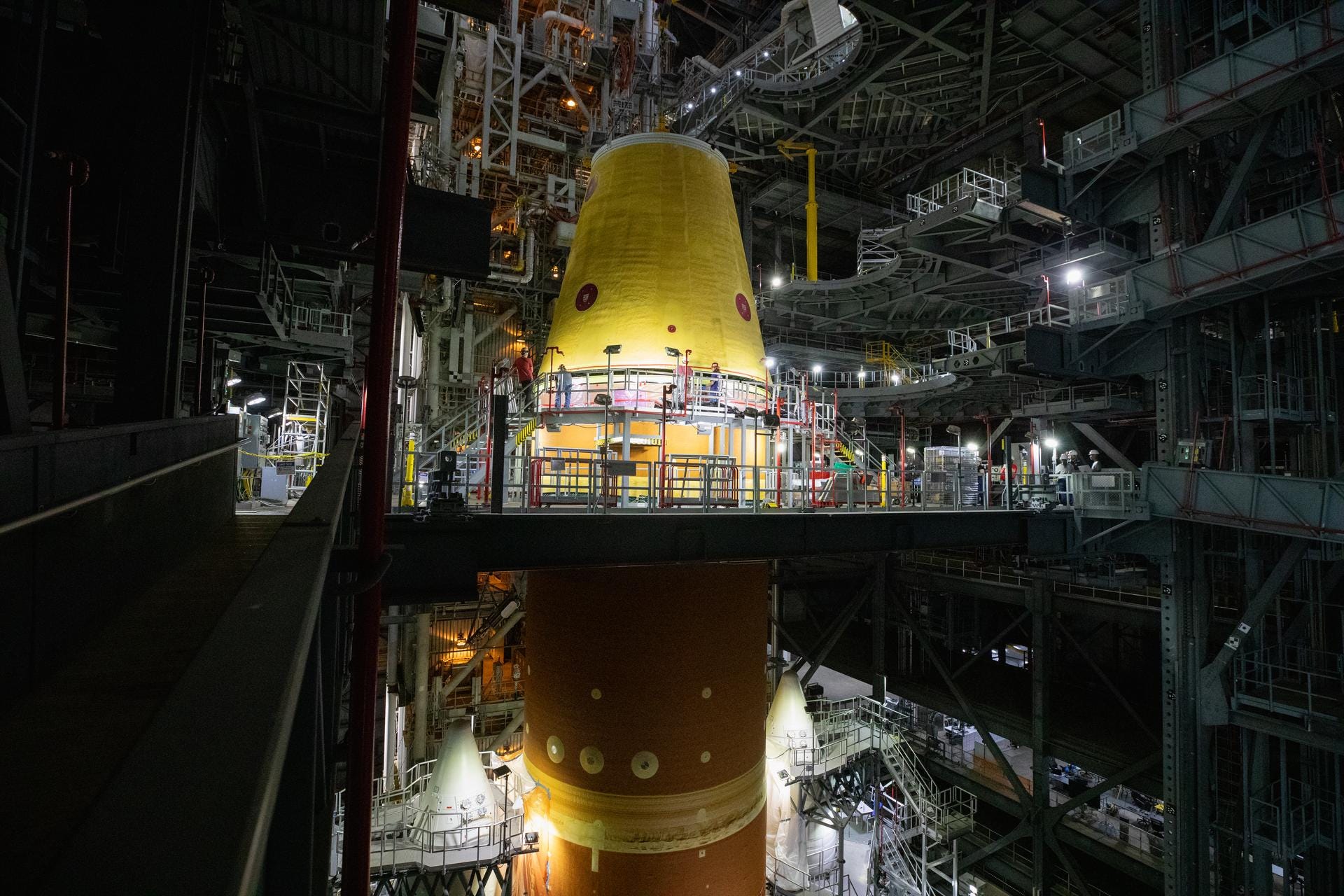
The Artemis I mission marked the first uncrewed test of NASA’s Space Launch System (SLS) and the Orion spacecraft, sending it on a daring journey around the Moon. This wasn’t just a test — it was a proof of concept for the next generation of deep space exploration.
Orion is designed to venture beyond the Van Allen Belt, where radiation becomes a serious threat. It’s a massive leap forward from the Apollo command module, boasting advanced life support, smart navigation, and endurance capabilities.
🛰️ Key features of Orion include:
Supports crews for 21 days solo, and even longer when docked to a module like the Lunar Gateway
Monitors and regulates cabin pressure, temperature, and oxygen levels
Carries the largest ablative heat shield ever built, designed to withstand reentry speeds of 25,000 mph
Equipped with GPS, automated flight systems, and star trackers
Outfitted with radiation sensors and shielding to protect against solar storms and cosmic rays
This is NASA’s flagship for the future — and it’s not just for show. It’s the foundation for long-term lunar missions, and eventually, human journeys to Mars.
👩🚀🧑🚀 The Phantoms: Testing for Human Survival
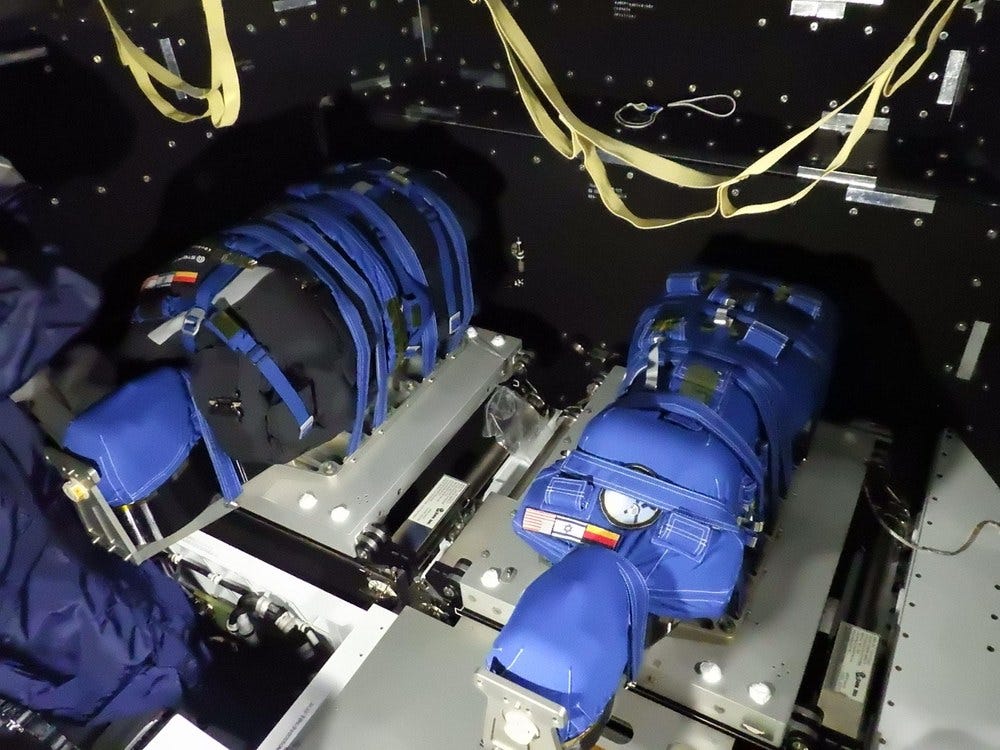
To ensure Orion is ready for real human missions, NASA tested with “phantoms” — high-tech mannequins embedded with sensors. Onboard Artemis I were:
Helga – Simulated a female body
Zohar – Also female, but equipped with the AstroRad radiation protection vest
Campos – Simulated a male astronaut and tested life-support and crew safety systems inside Orion
This experiment, known as Matroshka AstroRad Radiation Experiment (MARE), collected vital data on how space radiation affects male and female bodies differently.
These results will inform not just NASA, but also SpaceX and other agencies planning long-duration deep space missions. It’s a collective human effort to break the boundaries of Earth and become a true spacefaring species.
🌌 Why This Mission Matters
In my opinion, Artemis I is one of the most important missions of our generation. It’s not just about reaching the Moon again — it’s about proving that we can survive out there, beyond the protective bubble of Earth.
It sparks the imagination. It challenges us to think bigger. And most importantly, it lays the foundation for what we need to thrive beyond this world — not as Americans, not as competitors, but as humans united by exploration.